How to Create Language-Learning Story Prompts That Match Your Needs
One of the best uses of StoryTime Language is writing your own story prompts. Instead of reading about whatever the app picks, you describe a situation from your own life and get a story or dialogue built around it, at your level, in the language you are learning. You can write the prompt in your native language.
The point is practicing the words you are actually going to need. A story about a doctor's visit teaches doctor's-visit vocabulary, and it sticks better because you can picture yourself using it.
Start with a real situation
The best prompts come from a specific part of your life where you know you will need the language. Living abroad gives you plenty of these. One of my earliest struggles in Spain was setting up a water bill with a company that only handled things over the phone. That is a hard place to try out new language skills, and it is exactly the kind of scene worth practicing ahead of time.
So think about something coming up, like setting up a utility, meeting new people, or giving a presentation. Then decide what you want out of it: certain vocabulary, polite phrases, how people normally talk in that situation. Put both into the prompt and you get a story that walks through the scene before you have to do it for real.
Match the prompt to your level
At A1, keep it simple. Meeting someone for the first time, ordering at a café, buying groceries. A prompt might be:
Write a story where two characters meet for the first time and greet each other. Include a simple conversation about the weather and their hobbies.
At A2 you can add a little more going on, like asking for directions, describing your weekend plans or talking about your daily routine.
Write a story where one character asks another for directions to the train station. Include a conversation about nearby landmarks.
B1 is a good level for preparing for specific situations: a doctor's appointment, a job interview, a trip.
Write a story where a character visits the doctor. Include dialogue where they describe their symptoms and ask questions about treatments.
At B2 and above, go for situations with more back and forth, like negotiating at work, debating a cultural topic with friends, or explaining something technical.
Write a story where a character presents a new idea at work. Include dialogue where they answer questions from colleagues.
More prompt ideas
For daily life, have a character shop for groceries and ask about prices, or have two people meet at a party and introduce themselves. For travel, a guest can check into a hotel and ask what the room includes, or a traveler can ask for help with lost luggage at the airport.
Healthcare is a big one if you live abroad. Ask for a story where a patient tells the doctor what hurts, or where someone calls to book a dentist appointment. Work prompts are good too, like a presentation where the character has to answer questions, or two colleagues who need to move a deadline. For something social, ask for a story where a character explains a holiday tradition to a friend, or where a group plans a birthday party.
Creating the story in the app
Open the Create a Story section and type your prompt, with as much detail as you want. For example, "Write a story where a character orders a coffee at a café and asks about menu options." Choose your target language and your level, anywhere from A1 to C2, and generate the story.
StoryTime Language is on Google Play. If you have a scenario you want to practice, email it to me at storytimelanguageapp@gmail.com.
Share this article
Related Articles
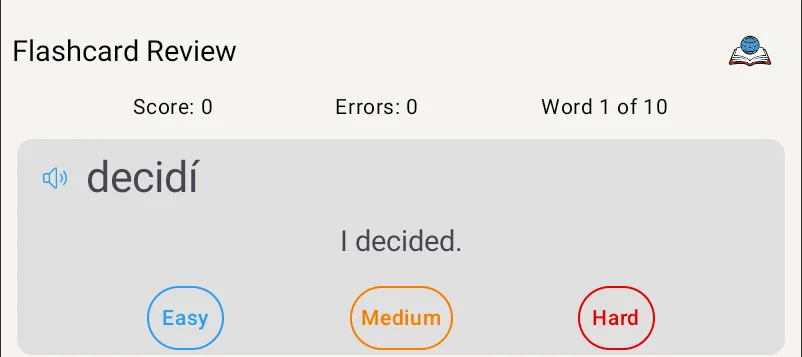
Building Vocabulary Through Recognition to Recall: A Progressive Approach
Understanding a word and being able to say it are two different skills, and the vocabulary games in StoryTime Language are ordered to take you from one to the other.
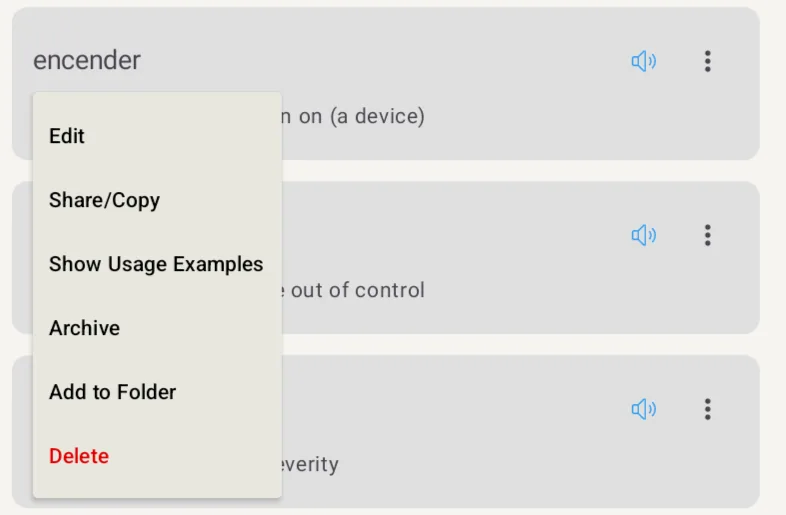
The Language Learner's Dilemma: When Words Don't Mean What You Think They Mean
Simple words rarely translate one to one, so I added usage examples to StoryTime Language to show how a word behaves in different sentences.
Why Reading Stories is the Secret to Language Learning Success
Word lists did not get me talking in Japanese, and reading stories at my level is what finally made new words stick.